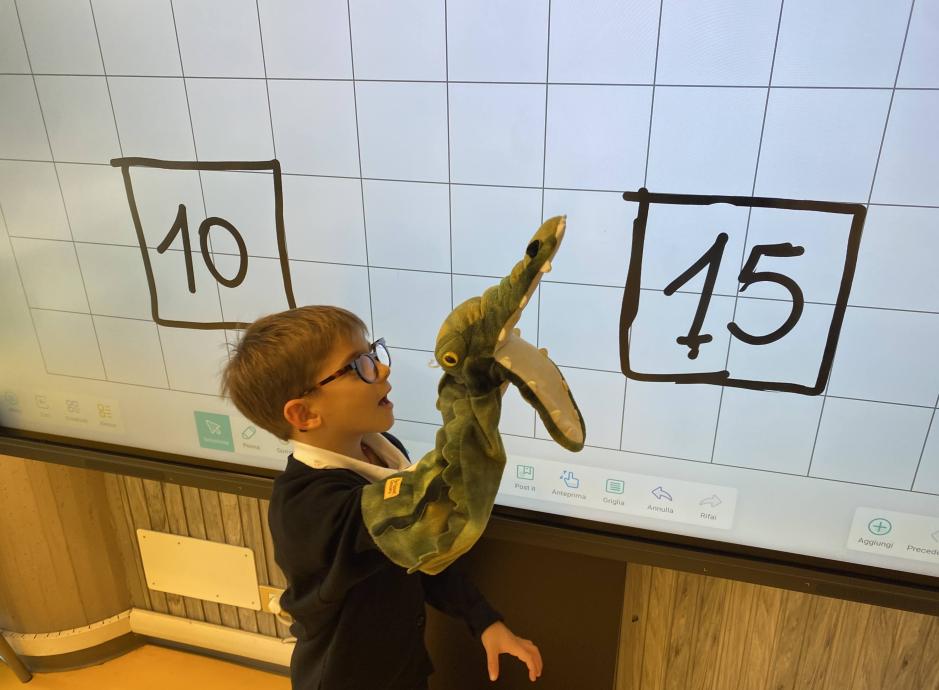
Science
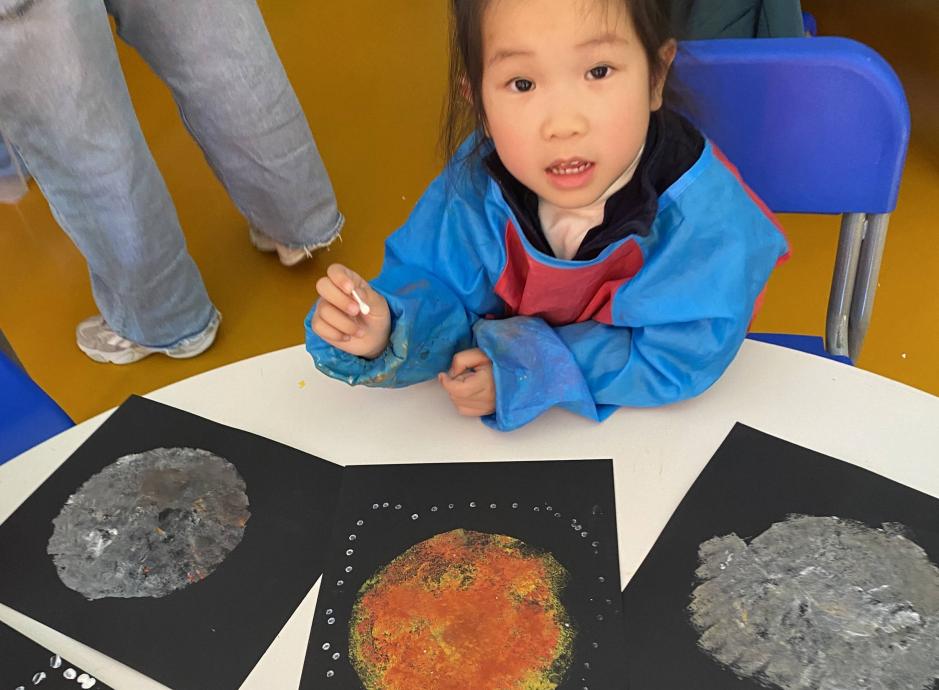
It stimulates curiosity and observation skills (e.g., the phases of the moon or the colours of the planets).

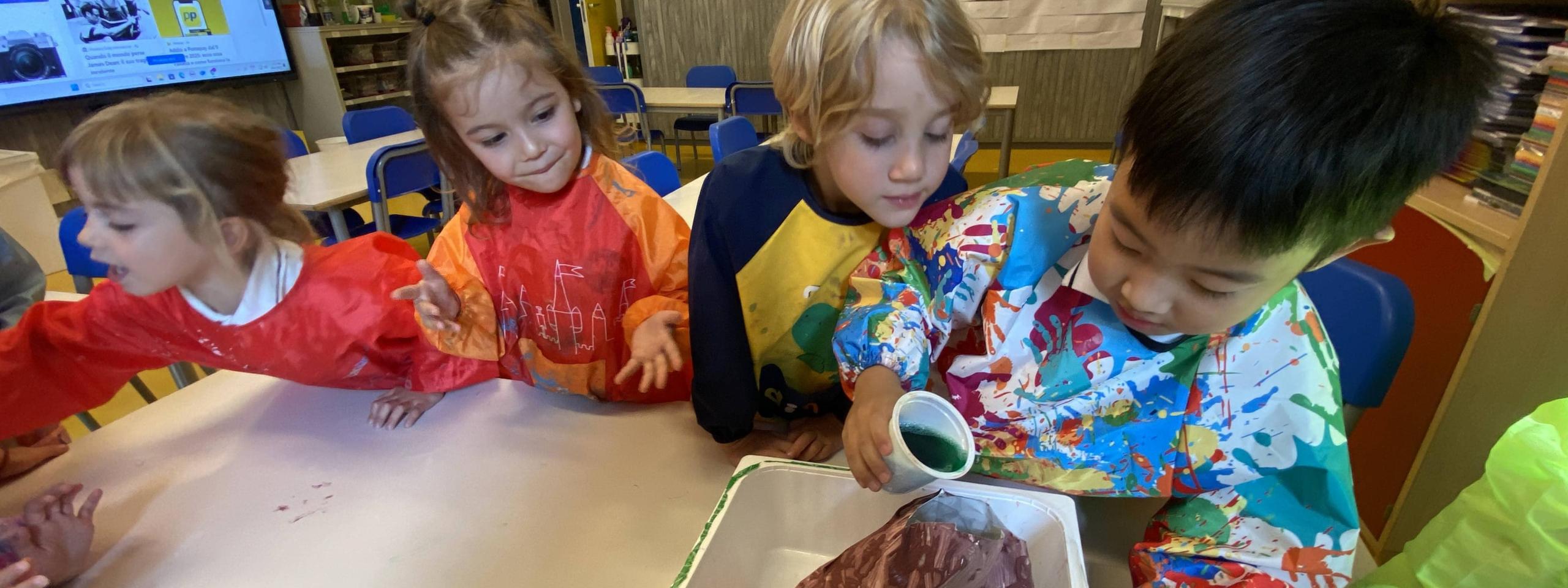
This year, we're aiming for the stars! With space as the annual theme for early childhood education, we have the perfect opportunity to cultivate STEM (Science, Technology, Engineering and Mathematics) from an early age.
But why is STEM so important for our children?
STEM is not just a set of 'difficult subjects', but a way of approaching the world:
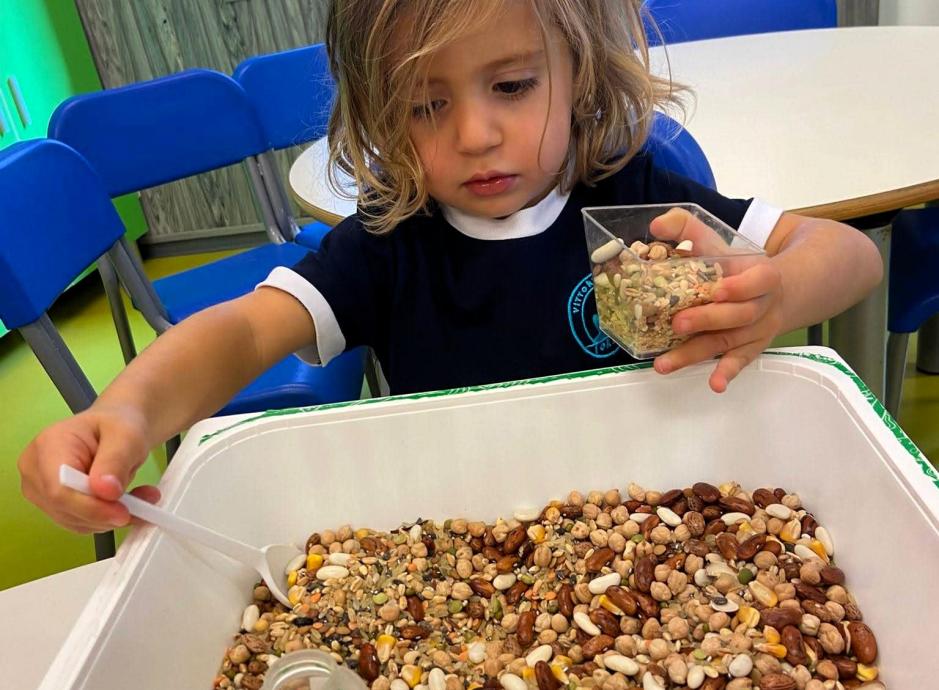
It stimulates curiosity and observation skills (e.g., the phases of the moon or the colours of the planets).
Teach them to use tools creatively and solve small problems (such as building a rocket out of recycled materials, using shapes... 🛠️).
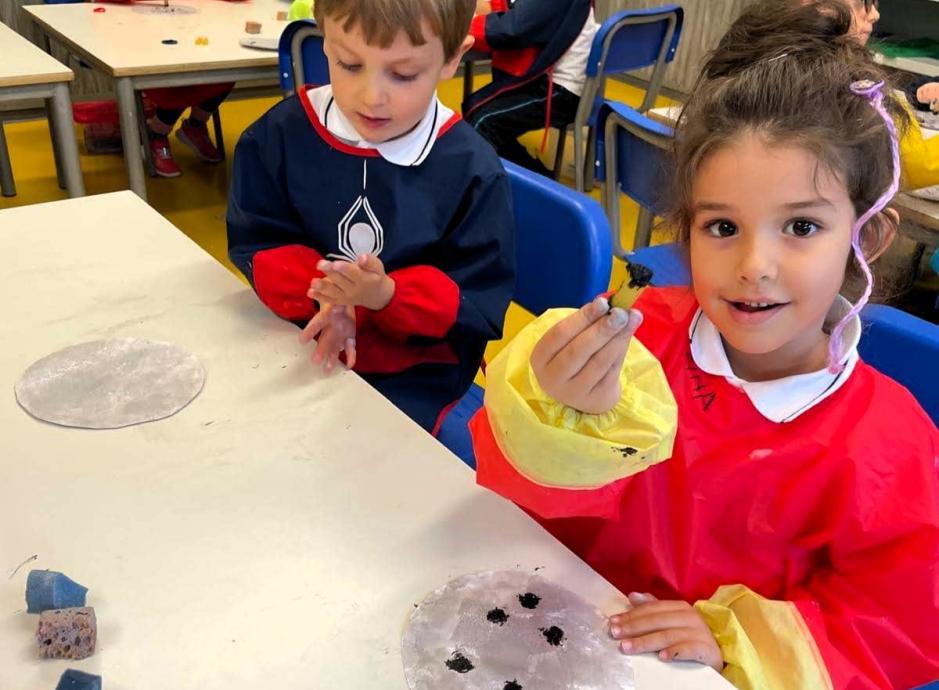
Develop critical thinking and problem solving skills by designing and building structures (such as a lunar base out of bricks).
Introduces concepts of quantity, shape and space through play (counting stars or planets).